Streamline DSAR & Information Requests
Gør aktindsigts-sager til en tryg og nem proces
Freedom of information cases and access requests often come with tight deadlines and large volumes of sensitive data. Cleardox simplifies the process – from collecting and anonymizing documents to collaborating across teams – ensuring fast and secure disclosure.

We Understand the
Pressure You’re Under
Freedom of information cases and data subject access requests give journalists and citizens the opportunity to gain insight into what data an organization holds. However, GDPR requirements, the large volume of information, and a short deadline make the process demanding. This puts pressure on case handlers and administrative teams, who are already busy.
Requests come with documents in multiple formats - emails, scans, PDFs, and attachments. Organizing, converting, and preparing them for anonymization is complex and time-consuming.
Requests often come with tight deadlines - sometimes as short as 7 days - making it hard to collect, anonymize, and deliver data accurately without a solution built for this use case.
All personal information must be carefully anonymized before delivery of a data subject access request or freedom of information act request. Manual identification and redaction of all personal data can be slow, risky, and difficult.
Sharing large datasets between colleagues for collaborative redaction is cumbersome and risky. Email attachments and multiple file formats slow down teamwork and can compromise data security.

Once all sensitive information is redacted, consolidating files for delivery and ensuring secure transfer can be complicated, especially when datasets span thousands of documents.
One Simple Solution,
Every Step Covered
From upload to anonymization to delivery. Cleardox is a comprehensive tool that supports not only redaction but every step of your DSAR and FOIA workflows. Manage large volumes of cases effortlessly and with confidence.
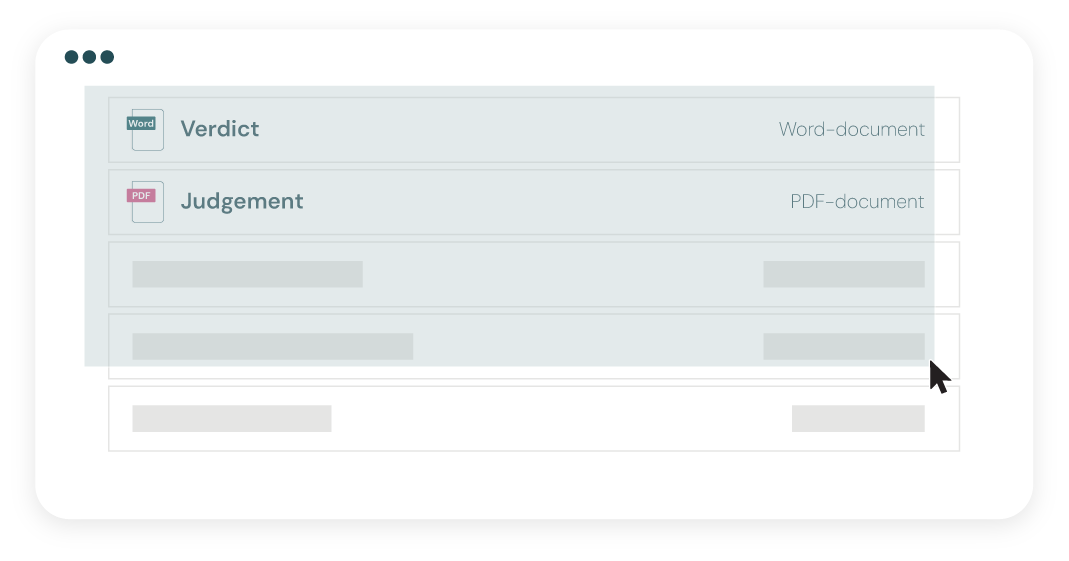
No file too big – upload thousands of pages with confidence and no delays.
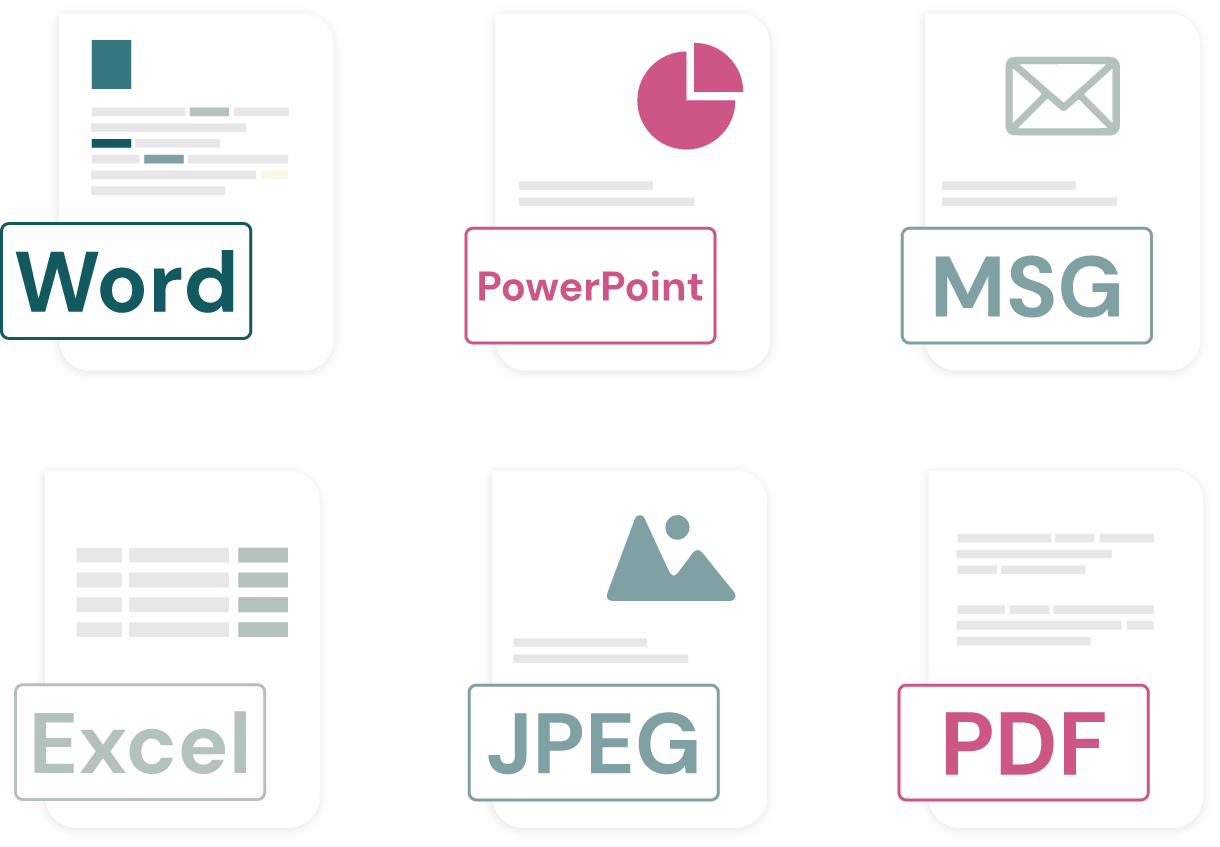
Upload any file type, and Cleardox will turn it into a PDF automatically.
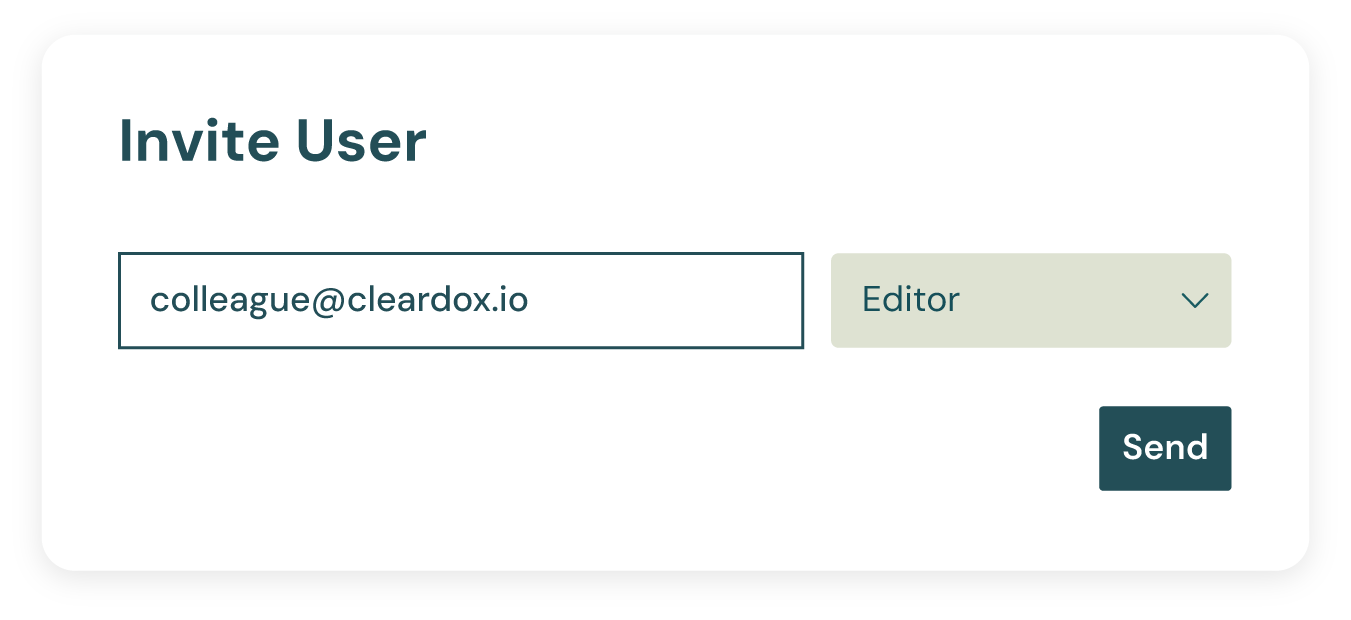
Invite colleagues to review, edit and comment, all in one place, or transfer a document, without ever leaving Cleardox.
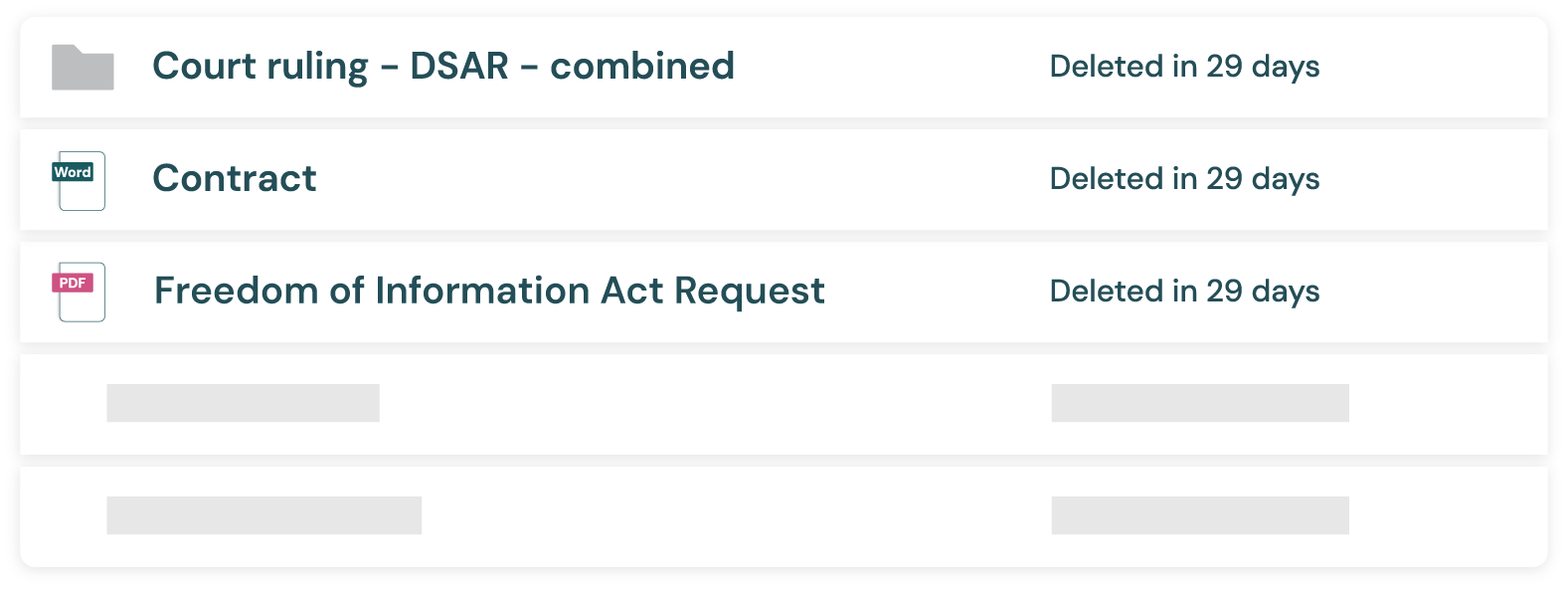
Choose to process documents individually or combined in a project.
There are no limits on how many cases or pages you can anonymize at once.
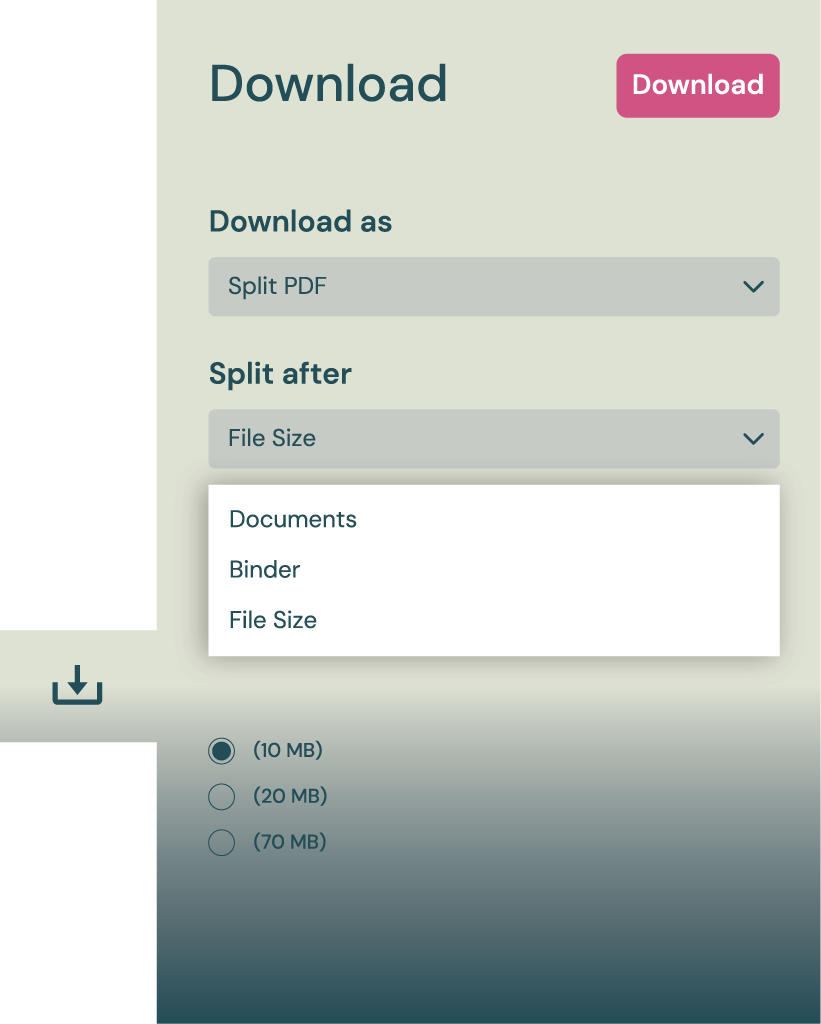
Combine your PDFs into one large file or download each one separately.
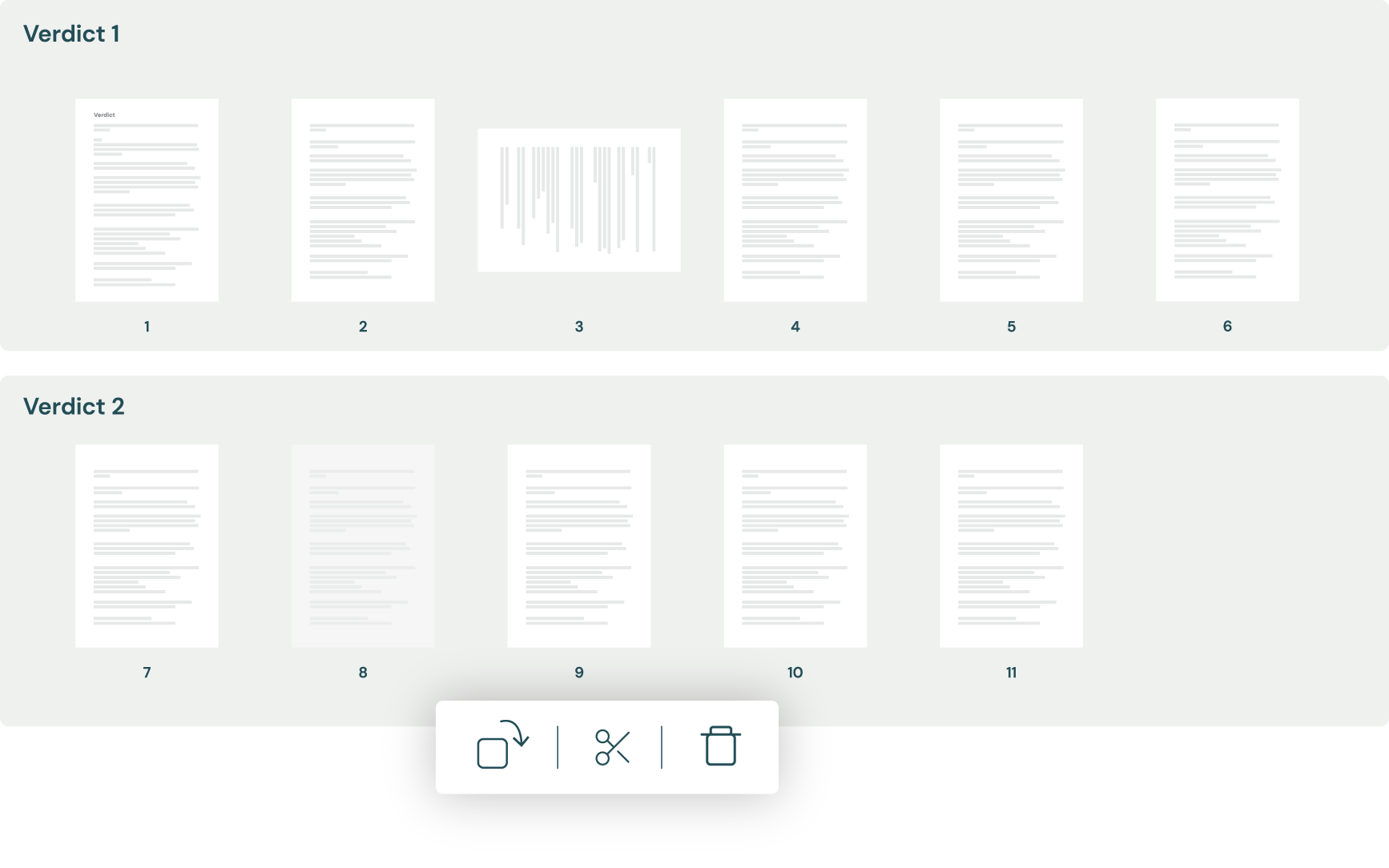
Rotate, split, delete, and reorganize pages without the need for other PDF tools.
Whether you want to use the entire platform or just the anonymization part, Cleardox can be customized to your systems and workflows.


Connect Cleardox with your archive systems and internal platforms. Our API makes it easy to automate steps and tailor the workflow to your organisation’s processes.
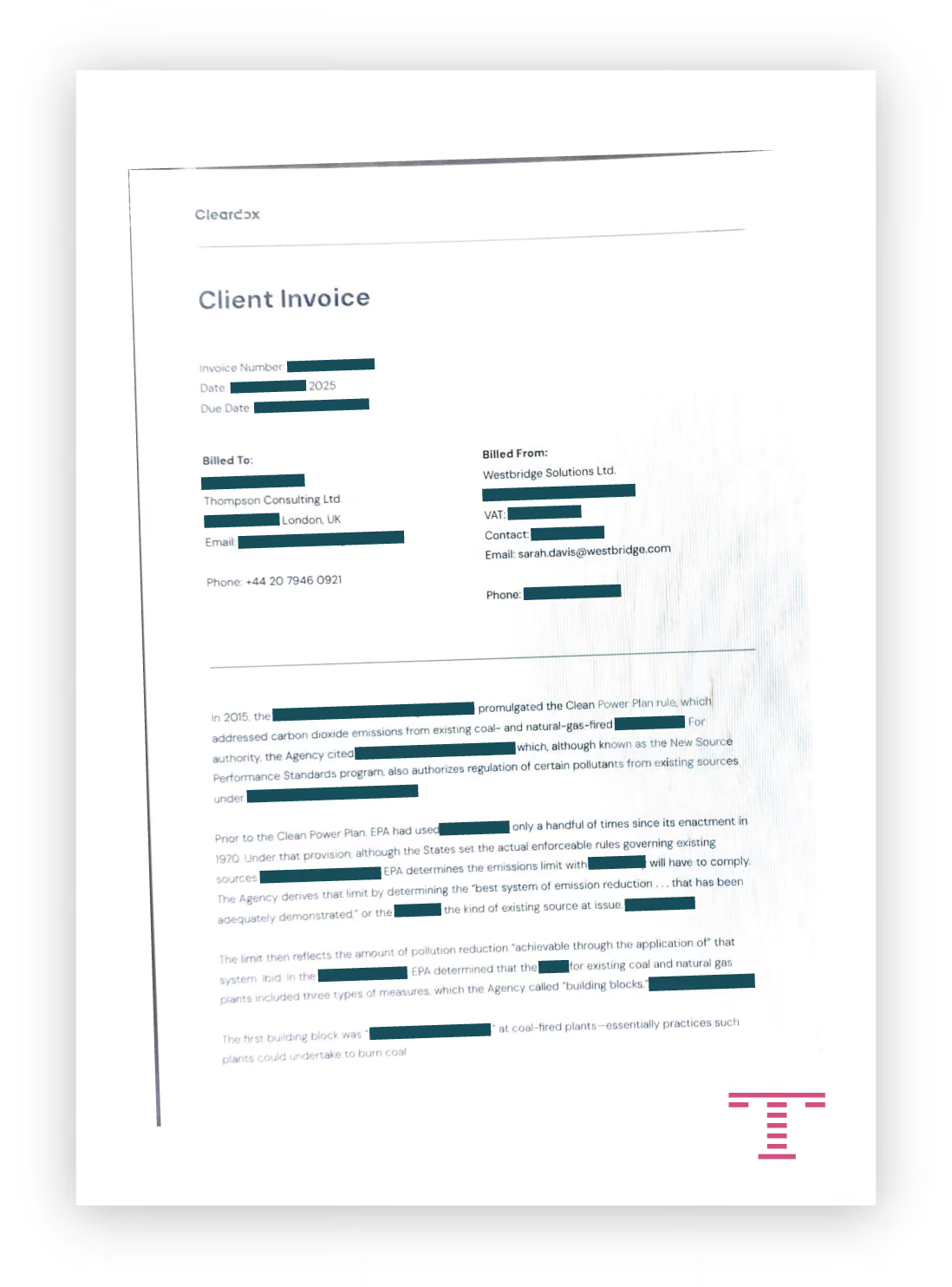
We automatically make PDFs and images searchable upon upload.
Discover everything
Cleardox can do for you
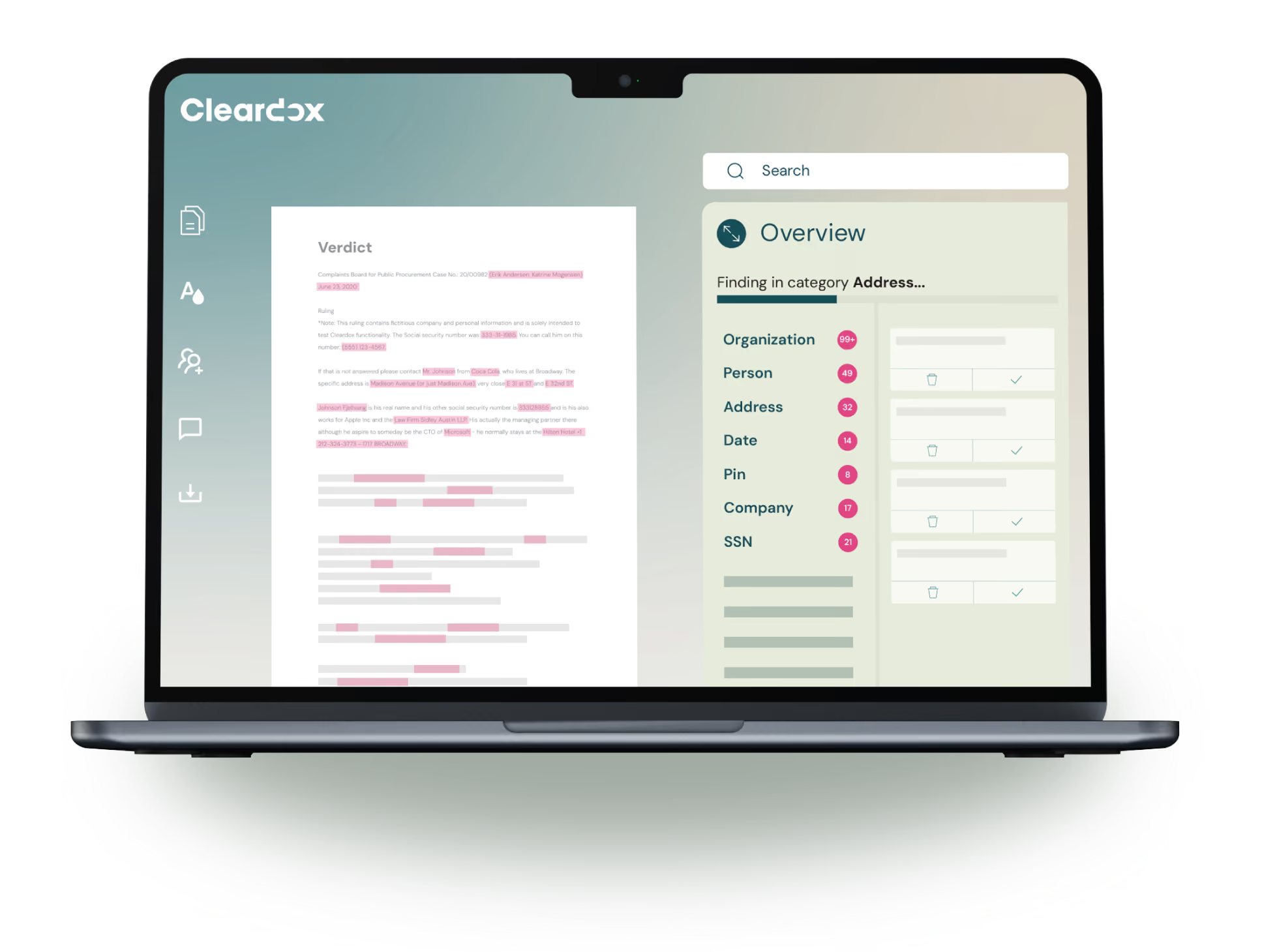


Redaction with a purpose
Traditional and manual anonymization can be exhausting, time-consuming and stressful, but protecting sensitive data shouldn’t cost you your peace of mind. Data protection is a responsibility that deserves a solution you can rely on.

"Cleardox has streamlined time-consuming data access request cases, with 360,000+ pages anonymized, freeing up time equivalent to 2 full-time positions ($133,000)."


"We use Cleardox in our Freedom of Information Act Requests. It saves us a lot of time and has streamlined a previously time-consuming task."

"The Family Law Agency has 400+ users and over 1 mio. pages redacted: cases with vulnerable families are handled securely, and 6 months after launch, data breaches have all but disappeared."
When redacting documents with Cleardox our main mission is to ensure your peace of mind - knowing that the data you're responsible for is properly redacted.
Curious about our plans?
Take a look
Seat-Based Model
We use a seat-based pricing model that scales with your needs. Give everyone in your organization access to Cleardox while only paying for active users. Pricing is determined based on your average monthly active users and document volume.
Fixed-price Projects
We can also offer a one-off project pricing for organizations handling a DSAR. Pricing depends on file volume and complexity. Contact sales via the contact form to get more info.
What is Cleardox used for in DSAR and FOIA workflows?
Cleardox is used to streamline the handling of data subject access requests (DSAR) and freedom of information act requests (FOIA) cases by helping teams collect, organize, and redact large volumes of sensitive data (PII) in documents in a secure and efficient workflow.
How does Cleardox help with tight DSAR and FOIA deadlines?
DSAR and FOIA requests often come with strict deadlines. Cleardox helps teams process large volumes of documents faster by automating the entire redaction process and enabling efficient collaboration across teams in one platform.
Can Cleardox handle large and complex case files?
Yes. Cleardox is designed to handle large-scale cases containing thousands of pages across multiple formats such as emails, PDFs, scans, and attachments, without limiting the size or complexity of the case.
How does Cleardox support anonymization in DSAR and FOIA cases?
Cleardox uses a combination of rule-based detection and machine learning to personally identifiable information (PII) and sensitive information. Users can then review and finalize anonymization to ensure compliance before disclosure.
Can teams collaborate on DSAR and FOIA cases in Cleardox?
Yes. Cleardox allows secure collaboration where users can invite colleagues, assign roles, and work on the same case simultaneously without relying on insecure file sharing or email attachments.
How are DSAR and FOIA requests delivered securely?
Once anonymization is completed, Cleardox enables secure export and consolidation of documents, ensuring that sensitive information is properly removed before delivery.
Choose whether to combine your PDFs into a single ZIP file, or download each document individually – either one by one or split based on file size.
Does Cleardox integrate with existing case management systems?
Yes. Cleardox integrates with systems such as iManage, SharePoint, HighQ and other document management platforms via direct integrations or API, making it easy to fit into existing workflows.
Is Cleardox suitable for public sector and legal teams?
Yes. Cleardox is widely used by public authorities and legal teams in companies handling DSAR and FOIA requests, where accuracy, compliance, and security are critical.
What types of sensitive data can Cleardox detect?
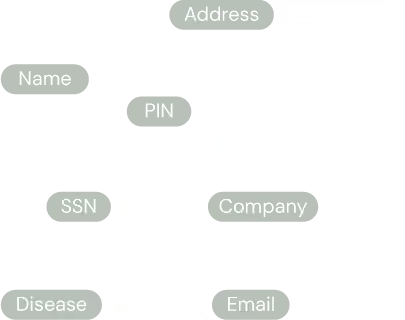
Cleardox can detect a wide range of personal and sensitive data such as names, emails, CPR numbers, addresses, and other identifiers and identifies data across 20+ categories.
How does Cleardox support GDPR compliance in DSAR and FOIA workflows?
Cleardox is designed to handle highly sensitive data through structured redaction workflows, offering a more secure and controlled approach than traditional manual processes. All documents are processed in a secure environment with strict access controls and encryption to support GDPR compliance and data protection requirements.